
850 Division Road, Windsor, ON, Canada 🍁 N8W 5R9
+1(519) 981-9111
info@greatlakestds.ca
9:00 AM to 5:00 PM
REGISTER NOW
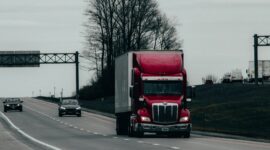
Step-by-step guide on how to get your AZ license in Ontario — tractor-trailer on highway

How to Get Your AZ License in Ontario: A Complete Step-by-Step Guide

If you’re wondering how to get your AZ license in Ontario, you’re not alone — it’s one of the most searched questions by people ready to launch a career in trucking. The AZ license is the highest class of commercial driver’s licence in the province, allowing you to operate any tractor-trailer or combination vehicle, and earning it opens the door to one of the most in-demand careers in Canada right now.

This guide walks you through every step — from eligibility requirements to the road test — so you know exactly what to expect before you sign up for training.

What Is an AZ License in Ontario?

An AZ license (also called an Ontario Class A licence) is the commercial driver’s licence that allows you to drive any combination vehicle — tractor-trailers, semi-trucks, and any truck towing a trailer — on Ontario roads and across Canada.

It’s the top-tier commercial licence in the province. With an AZ licence, you can legally operate vehicles that would otherwise require a Class B, C, D, E, F, or G licence. In other words, it covers everything below it.

This is different from a DZ licence, which only covers straight trucks without a trailer. If your goal is to drive tractor-trailers for long-haul or local freight, the AZ is the licence you need.

The trucking industry in Ontario is facing a serious driver shortage, which means qualified AZ truck driver licence Ontario holders are in high demand and can expect strong wages and job security right out of training.

AZ License Ontario Requirements: Do You Qualify?

Before you can begin training, you need to meet a few baseline requirements set by the Ontario Ministry of Transportation:

  • Age: You must be at least 18 years old
  • Valid G licence: You must hold a full Ontario Class G driver’s licence (not G2)
  • Medical exam: You must pass a commercial driver’s medical examination — your doctor completes a standard MTO medical report confirming you meet the physical requirements
  • Vision: You must meet minimum commercial vision standards
  • Driving record: While a perfectly clean record isn’t mandatory, serious suspensions or Criminal Code convictions may affect eligibility

If you’re comparing the AZ to other commercial licence classes — like DZ, BZ, or restricted A — our guide on what licence you need to become a truck driver in Ontario breaks down exactly which class fits which career path.

Step 1: Pass the AZ Written Knowledge Test

The first formal step is passing the AZ knowledge test at any Ontario DriveTest centre. The test covers:

  • Air brakes and air brake systems
  • Combination vehicle operation
  • Hours of service rules
  • Safe driving practices for large commercial vehicles

The fee is approximately $16. You’re allowed — and encouraged — to study using the official Ontario truck driver’s handbook, which you can download free from the Ontario government website. Most students take one to two weeks to prepare if they study consistently.

Once you pass, you receive your AZ learner’s permit, which allows you to practise driving a tractor-trailer under the direct supervision of a licenced AZ driver.

Step 2: Complete Your MELT Training Program

This is the most critical step — and since 2017, it has been mandatory for every new AZ licence applicant in Ontario without exception.

MELT stands for Mandatory Entry-Level Training. It is a provincially regulated training curriculum ensuring that every new commercial driver in Ontario meets a consistent safety standard before being licensed. You cannot book the AZ road test without a MELT completion certificate.

The Ontario MELT program requires a minimum of 103.5 hours of combined training:

  • In-class instruction — truck systems, regulations, hours of service, load securement, and pre-trip inspections
  • Yard training — basic vehicle control, backing manoeuvres, coupling and uncoupling a trailer
  • In-cab road training — real on-road time behind the wheel of a tractor-trailer

At Great Lakes Truck Driving School, our AZ Tractor Trailer MELT Program is fully approved by the province and covers every required MELT component. The school is registered as a Career College under the Ontario Career Colleges Act, 2005 — meaning the program meets government-mandated quality standards. Our instructors bring over 30 years of combined experience in the trucking industry, and all tuition fees are tax deductible.

Step 3: AZ License Ontario Cost — What to Budget

AZ licence cost Ontario is one of the top questions prospective students ask. Here’s a realistic breakdown of what to expect:

ItemApproximate Cost
AZ knowledge test (DriveTest)~$16
Commercial medical exam$75–$150
MELT training program$5,000–$10,000
AZ road test (DriveTest)~$52
Licence upgrade fee (ServiceOntario)~$90
Total estimated range$5,200–$10,300

The MELT training program is the largest cost. Keep in mind that tuition is tax deductible as a vocational training expense, which meaningfully reduces the real out-of-pocket cost. Some carriers also offer sponsorship arrangements — they cover your training in exchange for a commitment to drive for them for a set period after hiring.

Step 4: Pass Your AZ Road Test

Once MELT is complete, you book your AZ road test at a DriveTest centre. This is a practical exam conducted in an actual tractor-trailer. The examiner will assess:

  • Pre-trip inspection — this is graded thoroughly, not casually
  • Basic vehicle control — backing, turning, coupling
  • On-road driving — following distance, speed management, lane discipline, mirror use
  • Air brake operation

Pre-trip inspection is the section most students underestimate. It is scored point-by-point and mistakes add up quickly. Our post on useful tips for pre-trip inspection covers exactly what examiners look for and how to approach it systematically — read it before your test day.

96% of our students pass the road test on their first attempt. Consistent practice during your MELT program is what makes the difference.

What Happens After You Get Your AZ Licence?

Once you pass the road test, you upgrade your licence at a ServiceOntario location and officially become a licenced Class AZ driver in Ontario.

From there, most graduates move directly into employment. Canada’s trucking industry is experiencing a well-documented shortage of commercial drivers, with tens of thousands of positions unfilled. Long-haul, regional, and local freight carriers are actively hiring AZ graduates, often immediately after licensing.

Our resources page has additional study materials to help you prepare for both the knowledge test and road test — including practice questions and inspection guides.

Frequently Asked Questions

How long does it take to get an AZ licence in Ontario? Most students complete the full process in 4 to 8 weeks. The MELT program itself takes 3 to 5 weeks depending on whether you’re enrolled full-time or part-time. Add in test booking wait times and you’re typically looking at under two months from start to licensed.

Can I get my AZ licence without going to truck driving school? No. Since 2017, Ontario requires all new AZ applicants to complete a provincially approved MELT program before sitting the road test. There is no way to bypass this requirement — it applies to everyone getting their AZ for the first time.

How much does AZ licence training cost in Ontario? MELT training typically runs between $5,000 and $10,000 depending on the school and program format. Total costs including tests, medical, and licence fees generally land in the $5,200–$10,300 range. Tuition is tax deductible as a vocational program expense.

What is the difference between an AZ and DZ licence in Ontario? A DZ licence covers straight trucks — vehicles without a trailer. An AZ licence covers combination vehicles, including tractor-trailers. AZ is the higher qualification, opens more job categories, and typically comes with higher pay. If tractor-trailer driving is your goal, AZ is the licence to get.

Ready to Start Your AZ Training in Windsor?

Now that you know exactly how to get your AZ license in Ontario, the next step is choosing the right school. Great Lakes Truck Driving School is based in Windsor and offers a fully approved, provincially registered AZ Tractor Trailer MELT program — with experienced instructors, flexible scheduling, and a 96% first-attempt road test pass rate.

Contact us today to get your questions answered and find out when the next intake begins.

Instructor explaining truck inspection and training process to student at a truck driving school in Windsor Ontario.

How to Enroll in Truck Driving Training in Windsor, Ontario

If you’re searching for the best driving schools Windsor Ontario, you’re likely ready to start a career in the trucking industry or upgrade your driving skills. With demand for commercial drivers continuing to grow across Canada, enrolling in a professional truck driving school is your first step toward a stable and rewarding career.

One of the most trusted options in the region is Great Lakes Truck Driving School Inc., offering industry-recognized training programs designed to prepare students for real-world driving and licensing success.

In this guide, we’ll walk you through exactly how to enroll in truck driving training in Windsor, Ontario, and what to expect along the way.

Why Choose a Professional Driving School in Windsor, Ontario?

Not all training programs are equal. When looking for driving schools Windsor Ontario, it’s important to choose one that offers:

  • MELT-approved AZ licence training
  • Hands-on driving experience
  • Certified instructors with industry experience
  • Safety and defensive driving education
  • Real preparation for trucking careers

Great Lakes Truck Driving School checks all these boxes and has built a strong reputation across Windsor-Essex.

Step-by-Step: How to Enroll in Truck Driving Training

Step 1: Meet Basic Requirements

Before enrolling, you’ll need:

  • A valid Ontario G licence
  • To meet age and medical requirements
  • A willingness to complete structured training

Step 2: Choose the Right Training Program

When comparing driving schools Windsor Ontario, look for schools that offer MELT (Mandatory Entry-Level Training) — required for AZ licences.

Explore available programs here:
https://greatlakestds.ca/

Step 3: Review Training Courses & Classes

A quality program includes both classroom and practical training such as:

  • Pre-trip inspection
  • Air brake (Z) endorsement
  • Defensive driving
  • Hours of service regulations

View all classes here:
https://greatlakestds.ca/classes/

Step 4: Use Study Resources to Prepare

Before and during training, using the right study materials can improve your success rate.

Access helpful resources here:
https://greatlakestds.ca/resources/

Step 5: Contact the School & Register

Once you’re ready, reach out directly to confirm schedules, pricing, and availability.

Start your enrollment here:
https://greatlakestds.ca/contact/

Helpful Resources to Guide Your Decision

To better understand the process and benefits of training, check out these helpful guides:

How Long Does It Take to Get a Truck License in Ontario

https://greatlakestds.ca/blog/how-long-does-it-take-to-get-a-truck-license-in-ontario/

Reasons to Get Enrolled in a Truck Driving School

https://greatlakestds.ca/reasons-to-get-enrolled-in-a-truck-driving-school/

Explore More Truck Driving Insights

https://greatlakestds.ca/blog/

What to Expect After Enrolling

Once enrolled in a professional program like Great Lakes, you’ll gain:

  • Hands-on driving experience
  • Confidence operating commercial vehicles
  • Knowledge of safety regulations
  • Preparation for written and road tests
  • Career-ready skills for trucking jobs

Choosing the right training provider is key when searching for driving schools Windsor Ontario, and making the right choice can set you up for long-term success.

Start Your Truck Driving Career Today

If you’re serious about finding the best driving schools Windsor Ontario, now is the perfect time to take action.

Contact Great Lakes Truck Driving School today to get started:
https://greatlakestds.ca/contact/

Your future in the trucking industry starts with the right training.

Young couple enjoying a road trip while driving a vehicle, representing beginner driver experience and driving practice.

Best Drivers Training Near Me in Windsor, Ontario for Future Truck Drivers

If you’ve been searching for the best drivers training near me, you’re likely ready to start a new career or upgrade your driving skills. In Windsor, Ontario, one name consistently stands out for professional, hands-on commercial driver education — Great Lakes Truck Driving School Inc..

Whether you’re looking for truck driver training near me, AZ licence certification, or MELT-approved programs, choosing the right school is the most important step toward a successful career in trucking.

Why Choosing the Right Drivers Training School Matters

Not all driving schools are created equal. Many people search for drivers training near me and pick the closest option — but the best results come from choosing a school that offers:

  • Hands-on, real-world driving experience
  • Certified and experienced instructors
  • MELT (Mandatory Entry-Level Training) approved programs
  • Strong safety and defensive driving training
  • Career-focused learning and support

Great Lakes Truck Driving School provides all of this and more, making it one of the most trusted names in Windsor and surrounding areas.

What Makes Great Lakes One of the Best Drivers Training Schools Near You

1. MELT-Approved AZ Training Programs

To become a licensed commercial driver in Ontario, you must complete MELT training. Great Lakes offers a structured AZ program designed to prepare students for both written and road tests.

Learn more about their training programs here:
https://greatlakestds.ca/

2. Comprehensive Classroom & Practical Training

Students receive both theoretical and hands-on instruction, including:

  • Pre-trip inspections
  • Defensive driving techniques
  • Hours of service regulations
  • Road safety and compliance

Explore available training classes:
https://greatlakestds.ca/classes/

3. Real On-Road Driving Experience

Unlike basic training programs, Great Lakes focuses heavily on real driving conditions in and around Windsor, helping students gain confidence behind the wheel.

4. Helpful Learning Resources

Students also get access to useful materials and guides to help them prepare for exams and improve their knowledge.

Check out their resources here:
https://greatlakestds.ca/resources/

5. Proven Track Record of Student Success

With years of experience training new drivers, Great Lakes has built a reputation for helping students pass their tests and transition into real trucking careers.

How to Choose the Best Drivers Training Near Me

If you’re comparing options for drivers training near me, here’s what you should look for:

Certification & Accreditation

Ensure the school offers MELT-approved training for AZ licences.

Hands-On Training

Driving experience is critical — avoid schools that focus only on classroom learning.

Instructor Experience

Learn from professionals with real trucking backgrounds.

Curriculum Coverage

Look for programs that include pre-trip inspections, air brake training, and defensive driving.

Reviews & Reputation

Choose a school with a strong local presence and proven results.

Helpful Guides & Internal Resources

Here are some helpful articles and pages to continue your research:

👉 How Long Does It Take to Get a Truck License in Ontario

🔗 https://greatlakestds.ca/blog/how-long-does-it-take-to-get-a-truck-license-in-ontario/

👉 Reasons to Get Enrolled in a Truck Driving School

🔗 https://greatlakestds.ca/reasons-to-get-enrolled-in-a-truck-driving-school/

👉 Explore More Truck Driving Tips & Insights

🔗 https://greatlakestds.ca/blog/

👉 View All Training Classes

🔗 https://greatlakestds.ca/classes/

Start Your Journey with the Best Drivers Training Near Me

If you’re serious about finding the best drivers training near me, Great Lakes Truck Driving School offers everything you need — from beginner-friendly programs to advanced commercial driver training.

👉 Ready to get started? Contact their team today:
🔗 https://greatlakestds.ca/contact/

Your future in the trucking industry starts with the right training — and the right school.

Female driver sitting inside a delivery van reviewing documents and taking notes during commercial driver training.

The Most Trusted Driver’s Training Near Me for Future Truck Drivers in Windsor, Ontario

If you’ve been searching online for driver’s training near me, chances are you’re ready to start a high-demand, stable, and well-paid career in commercial trucking. For anyone in Windsor-Essex and Southwestern Ontario, the top choice is Great Lakes Truck Driving School Inc., a leading training center offering professional truck driver programs, hands-on learning, and Ministry-approved training such as MELT.

This guide explains why Great Lakes is the best option when looking for truck driver’s training near me, how their programs work, and what next steps you can take to enter the transportation industry with confidence.

Why Great Lakes Is the Best Choice for Driver’s Training Near Me

When searching for driver’s training near me, aspiring drivers want a school with strong reputation, certified instructors, and real career outcomes. Great Lakes delivers exactly that through:

Professional Instructors With Real Industry Experience

Training is led by seasoned truck drivers who have years of on-road experience. Students learn everything from pre-trip inspections, vehicle control, defensive driving, and safety procedures.

Learn more about the types of classes taught here:
https://greatlakestds.ca/classes/

Hands-On, Road-Focused Truck Training

Lessons include real driving hours on streets and highways around Windsor, so students gain the practical confidence needed for the road test and future employment.

MELT-Compliant AZ Tractor Trailer Training

Becoming a commercial driver in Ontario requires MELT (Mandatory Entry-Level Training) — a structured program Great Lakes offers through their certified AZ tractor-trailer course.

Strong Local Reputation in Windsor-Essex

Great Lakes Truck Driving School is known across the region for producing skilled drivers who pass their exams and transition successfully into industry careers.

What You Learn in Great Lakes’ Truck Driver’s Training Near Me

The training programs here are designed to help new drivers develop real-world skill sets essential for trucking careers. Course components include:

Pre-Trip Inspection Class

Students learn how to systematically inspect a truck to meet safety regulations.
https://greatlakestds.ca/classes/

Air Brake (Z) Endorsement

This class prepares students for the air brake exam and proper braking system knowledge.

Defensive Driving Training

A crucial element for every truck driver who wants to prioritize safety and reduce risk on the road.
Explore more educational content here:
https://greatlakestds.ca/blog/

Hours of Service & Logbook Compliance

Understanding HOS rules ensures safe, legal, and professional driving practices.

In-Cab & On-Road Driving

You’ll gain hands-on experience with turns, backing, coupling/uncoupling, and highway driving.

How to Become a Truck Driver in Ontario: Step-by-Step

If you’re searching for driver’s training near me, here’s the journey you can expect:

1. Meet Basic Requirements

You’ll need an Ontario G licence and must meet age/medical requirements outlined on the MTO website.

2. Enroll in MELT AZ Training at Great Lakes

The MELT program is a structured pathway to obtaining your Class A license. It includes both in-class and on-road instruction.
Learn more here:
https://greatlakestds.ca/

3. Train With Certified Instructors

On-road training helps you build real-world driving competency.

4. Book and Complete the Road Test

Great Lakes helps prepare students for their MTO road exam.
You can review additional learning materials here:
https://greatlakestds.ca/resources/

Internal Links to Helpful Guides, Blogs & Resources

Strengthen your trucking knowledge with these relevant articles:

How Long Does It Take to Get a Truck License in Ontario?

This explains timelines, training stages, and testing requirements.
https://greatlakestds.ca/blog/how-long-does-it-take-to-get-a-truck-license-in-ontario/

Reasons to Get Enrolled in a Truck Driving School

Why professional training is essential and worth the investment.
https://greatlakestds.ca/reasons-to-get-enrolled-in-a-truck-driving-school/

Visit the Full Blog Library

Explore articles on training, licensing, trucking tips, and more.
https://greatlakestds.ca/blog/

Explore All Class and Training Offerings

Includes Air Brake Z Course, Defensive Driving, Pre-Trip Inspection & more.
https://greatlakestds.ca/classes/

Use Free Study Resources & Tools

Helpful practice materials for truck licensing.
https://greatlakestds.ca/resources/

These internal links strengthen topical authority around truck driver’s training near me and help Google crawl deeper into the site.

Ready to Start Your Truck Driving Career?

If you’re motivated to begin training and start a rewarding career in the trucking industry, Great Lakes Truck Driving School is here to help.

Reach out today to speak with a training advisor or start the enrollment process:
Contact Page:
https://greatlakestds.ca/contact/

Whether you’re looking for driver’s training near me or you’re ready to start a new chapter as a licensed commercial truck driver, Great Lakes offers the expertise, support, and hands-on experience you need to succeed.

AZ truck driving student reviewing training checklist with instructor during Ontario AZ license preparation.

Ontario AZ License: Your Complete Guide to Getting Licensed in Ontario

If you’re searching for “Ontario AZ license”, you’re ready to take the next big step toward a rewarding career as a professional truck driver. Earning your AZ license — the commercial truck licence for tractor-trailers with air brakes — opens doors to better pay, stable work, and opportunities across Ontario’s logistics and transportation industry.

At Great Lakes Truck Driving School Inc. in Windsor, we help new drivers navigate the process from start to finish — from training and testing to real-world skills you’ll use on the job. Whether you’re just beginning or upgrading your existing license, this guide explains exactly what you need to know to get your Ontario AZ license.

What Is an Ontario AZ License?

An AZ license in Ontario is a Class A commercial driver’s licence with an air brake endorsement (Z). It allows you to operate:

  • Tractor-trailer combinations
  • Heavy transport trucks with trailers over 4,600 kg
  • Commercial rigs with air brakes

This is the most common truck license employers hire for long-haul and heavy transport jobs.

Who Needs an AZ Licence?

If your goal is to:

Drive big rigs and tractor-trailers
Work in long-distance transport
Haul heavy loads with air-brake systems
…then pursuing your Ontario AZ license is the right choice.

At Great Lakes TDS, our AZ Tractor Trailer MELT Program is structured specifically to prepare you for this licence and the commercial driving profession.

Learn more: AZ Tractor Trailer MELT Program

How to Get Your Ontario AZ License (Step-by-Step)

1. Meet Basic Eligibility Requirements

Before starting formal training, most applicants must:

  • Be 18 years or older
  • Hold a full Ontario G licence
  • Complete a commercial medical exam
  • Pass vision and knowledge tests

Once these steps are done, you’re ready to begin training.

2. Complete Mandatory Entry-Level Training (MELT)

In Ontario, you must complete the MELT program before you’re eligible for the AZ road test. The MELT curriculum covers:

  • Vehicle inspections and safety compliance
  • Highway and city driving
  • Trailer coupling and uncoupling
  • Cargo securement and defensive driving
  • Hours-of-service rules and professional conduct

Great Lakes’ AZ Tractor Trailer MELT Program ensures you’re fully prepared for the MTO requirements and the road test.

Link again: AZ Tractor Trailer MELT Program

3. Practice Hands-On Driving With Professionals

Beyond meeting legal requirements, it’s essential to master real-world skills such as:

  • Backing and parking large rigs
  • Handling highways and busy intersections
  • Operating in winter conditions
  • Pre-trip inspections

Great Lakes TDS emphasizes practical training, enabling you to build confidence and readiness for your license exam.

4. Pass the Road Test

Once you complete MELT and feel prepared, you can book your AZ road test at a DriveTest centre. Your instructor will help you prepare so you can pass on your first attempt.

Why Getting an AZ License Matters in Ontario

Here’s why the AZ licence is a major advantage:

Allows you to drive the largest commercial trucks
Significantly improves job prospects
Positions you for higher wages and long-haul opportunities
Recognized by carriers across Canada

Great Lakes Truck Driving School has trained hundreds of drivers to successfully earn their AZ license and begin professional careers.

Common Questions About Ontario AZ Licenses

Do I Need Special Training?

Yes — Ontario’s MELT program is mandatory before you attempt your AZ road test.

How Long Does It Take?

Typical full-time AZ training takes a few weeks to a couple of months, depending on your schedule and testing availability.

Can I Drive Across Canada?

Yes. A Class A AZ license lets you operate heavy trucks anywhere in Canada, and in many cases prepares you for cross-border work into the U.S.

Why Choose Great Lakes Truck Driving School

Great Lakes TDS is registered under the Ontario Career Colleges Act and has over 30 years of truck training experience helping students achieve their commercial licences.

Our programs offer:

  • MTO-approved AZ (Class A) training
  • Classroom, yard, and road instruction
  • Mock tests for confidence on test day
  • Support from experienced instructors

Learn more about the school:
About Us

Helpful Resources & Related Posts

Here are a few related topics on our site you may find useful:

How Long Does It Take to Get a Truck License in Ontariohttps://greatlakestds.ca/blog/how-long-does-it-take-to-get-a-truck-license-in-ontario/
Why Get Enrolled in a Truck Driving Schoolhttps://greatlakestds.ca/reasons-to-get-enrolled-in-a-truck-driving-school/
Truck License Timeline (AZ & DZ Options)https://greatlakestds.ca/tag/truck-license-timeline-ontario/
School Blog Homehttps://greatlakestds.ca/blog/

Ready to Start Your Ontario AZ Licence Training?

Your trucking career starts with training and preparation. If you’re serious about earning your Ontario AZ license, Great Lakes Truck Driving School can help you every step of the way.

Contact us to get started:
https://greatlakestds.ca/contact/

Train with confidence, learn practical skills, and earn the license that opens the road to your future.

Student completing AZ truck driver training in Ontario at a driving school.

How Long Does It Take to Get a Truck License in Ontario?

If you’re thinking about becoming a commercial truck driver in Ontario, one of the first questions you’ll ask is:

“How long does it actually take to get my truck license?”

The short answer is:
Anywhere from 3–6 weeks on a fast-track schedule, or up to 2–3 months on a part-time schedule — depending on the licence type, your availability, testing wait times, and how well prepared you are.

Also, look at what licence you need to become a truck driver in Ontario.

At Great Lakes Truck Driving School, we guide students through this process every week. In this guide, we’ll walk you through:

  • The exact timeline for each licence type
  • What delays most students
  • Real-world case study examples
  • How to finish as fast as possible (without cutting corners)

Step 1: Choose the Right Truck Licence in Ontario

Your timeline depends heavily on which licence you’re going for:

Class A (AZ) Licence

For tractor-trailers and transport trucks with air brakes.

  • Required training: Mandatory Entry-Level Training (MELT)
  • Most common career path
  • Longest training time

Class D / DZ Licence

For straight trucks, dump trucks, garbage trucks, and delivery vehicles.

  • Shorter training
  • Great for local commercial driving jobs

Each class has its own testing and training requirements, which directly affects how long it takes.

Step 2: Medical Exam & Written Knowledge Test (1–3 Days)

Before you can touch a truck, you must:

  • Complete a commercial medical exam
  • Pass a vision test
  • Pass a written knowledge test

The written test itself only takes about 30 minutes
Many students complete this entire step in 1–3 business days

This step is often the fastest part of the process if you are prepared.

Step 3: Truck Driver Training Program Timeline

Now comes the hands-on training — where most of your time is spent.

Class A (AZ) Training – Full-Time

  • Typical duration: 3–5 weeks
  • Includes:
    • Classroom theory
    • Yard skills
    • Road driving
    • Coupling/uncoupling
    • Air brake systems
    • Highway driving

DZ / Class D Training

  • Typical duration: 1–3 weeks
  • Focused on:
    • Straight truck handling
    • Load securing
    • City & highway driving
    • Air brakes (if applicable)

Students who train full-time finish much faster than those attending part-time.

Step 4: Booking & Completing the Road Test (1–3 Weeks)

Once training is complete, you must pass your DriveTest road exam.

Here’s where delays can happen:

  • Test availability varies by city and season
  • Busy locations may have 1–3 week wait times
  • If a student fails, Ontario requires:
    • A 10-day minimum wait before retesting

Students who come prepared often pass on the first attempt.

Realistic Case Study Timelines

Here are real-world examples based on how long students typically take:

Case Study #1: Fast-Track Full-Time AZ Student (4–5 Weeks)

  • Week 1: Medical + written test passed
  • Weeks 2–4: Full-time truck training
  • Week 5: Road test booked & passed
  • Total Time: About 4–5 weeks

This is the fastest realistic scenario for a motivated student.

Case Study #2: Part-Time AZ Student (8–10 Weeks)

  • Week 1: Medical + written test
  • Weeks 2–7: Part-time training
  • Weeks 8–9: Road test booking & test
  • Total Time: Around 2 months

Case Study #3: DZ Truck License Student (3–4 Weeks)

  • Week 1: Medical + knowledge test
  • Weeks 2–3: Training
  • Week 4: Road test
  • Total Time: Around 3–4 weeks

Average Time to Get a Truck License in Ontario

Licence Type

Fast Track

Average Timeline

AZ / Class A

4–6 weeks

2–3 months

DZ / Class D

3–4 weeks

1–2 months


What Can Slow Down Your Licensing Process?

These are the most common delays we see:

  • Waiting too long for your medical appointment
  • Failing the written knowledge test
  • Choosing part-time training
  • Road test backlog
  • Needing to retest after a failure

The more prepared you are on day one, the faster you finish.

How to Get Your Truck Licence Faster in Ontario

If speed matters to you, here’s how to move fast:

Book your medical exam immediately
Study for the written test before applying
Choose full-time training if possible
Train with professionals who prepare you for first-try road test success
Be flexible with road test locations if needed

Final Answer: So… How Long Does It Take?

In most real-world situations:

  • AZ Licence: 4–8 weeks on average
  • DZ Licence: 3–6 weeks on average

Some students finish faster. Others take longer due to scheduling or retesting. But with proper training and preparation, Ontario’s truck licensing system is very achievable within 1–2 months.

Ready to Start Your Truck Driving Career?

At Great Lakes Truck Driving School, we help students move from zero experience to licensed professional drivers as quickly and safely as possible.

Whether you’re going for your AZ or DZ licence, we guide you through:

  • Medical & written test prep
  • Professional hands-on driving training
  • Road-test readiness
  • Job-ready real-world skills

Contact us today to get started on your truck driving career in Ontario.

A student truck driver in training with an instructor, ideally in a classroom or behind the wheel.

Top 5 Mistakes New Truck Driver Students Make — and How to Avoid Them

Starting a career as a professional truck driver is exciting, but it can also be overwhelming for new students. At Great Lakes Truck Driving School (TDS) in Windsor, Ontario, we’ve trained hundreds of drivers for success. Over the years, we’ve noticed common mistakes that new truck driver students make — and we want to help you avoid them.

Whether you’re pursuing your AZ licence in Ontario or just starting truck driver training, understanding these pitfalls will set you up for success.

1. Skipping Classroom Lessons or Not Paying Attention

Many students think that hands-on driving practice is the only important part of learning. However, the classroom lessons cover essential topics like road safety, Ontario trucking laws, cargo security, and route planning.

Tip to Avoid: Treat every classroom session seriously. Take notes, ask questions, and review material daily. This knowledge will make your truck driving tests in Ontario easier and improve your real-world driving skills.

2. Underestimating the Importance of Practice

Driving a tractor-trailer is very different from driving a regular car. Some students underestimate the time and focus required to master maneuvering, backing up, and parking large trucks.

Tip to Avoid: Practice as much as possible with your instructor. Use every driving session to focus on control, speed, and safety. Remember: truck driving school Windsor provides structured practice to help you succeed.

3. Not Preparing for the AZ Licence Test

Some students assume that passing the AZ licence test is easy. In reality, the test evaluates your driving skills, knowledge of Ontario road laws, and ability to handle a commercial vehicle safely.

Tip to Avoid: Study the Ontario Ministry of Transportation truck licence guidelines, review your classroom notes, and do mock tests if possible. Preparation is key to passing your AZ licence the first time.

4. Ignoring Health and Safety Tips

Truck driving requires long hours behind the wheel, proper posture, and attention to fatigue. Many new drivers neglect health and safety practices, leading to poor performance and even accidents.

Tip to Avoid: Get enough rest, stay hydrated, and follow your instructor’s advice on safe driving habits. Learning good habits early will benefit your truck driver career in Ontario for years to come.

5. Not Asking for Help or Feedback

It’s common for new students to feel intimidated or embarrassed to ask questions. However, avoiding guidance from your instructor can slow your learning and lead to repeated mistakes.

Tip to Avoid: Always ask questions, request feedback, and clarify doubts. Your instructors at Great Lakes TDS are there to ensure you gain confidence and master the skills needed for your AZ licence in Ontario.

Conclusion

Starting your truck driving training in Windsor, Ontario doesn’t have to be stressful. By avoiding these common mistakes new truck driver students make, you’ll be better prepared for your AZ licence and your career as a professional truck driver.

Remember: attending a registered truck driving school like Great Lakes TDS ensures you get the guidance, practice, and support you need to succeed.

Ready to start your journey? 👉🏼 Enroll in our AZ Licence Training Program Today and take the first step toward a rewarding career in trucking.

Why Choose Great Lakes Truck Driving School Inc. (Windsor, ON)

Windsor runs on wheels. Between the Ambassador Bridge, the auto plants, and the constant flow along the 401 and E.C. Row, this city is built on logistics. If you’re serious about a stable, high-responsibility career that actually moves something, you need training that’s local, practical, and respected by carriers. That’s where we come in.

Great Lakes Truck Driving School Inc. — Windsor, ON
850 Division Road, Windsor, ON N8W 5R9
📞 519-981-9111 | ✉️ info@greatlakestds.ca

A school with one focus: turn new drivers into safe, hireable professionals

Our training is built around three promises:

  1. Safety first, always. You’ll master Ontario’s Schedule 1 daily inspection, air-brake checks, winter driving fundamentals, and defensive driving.
  2. Skills that hold up at 3 a.m. in February (worst-case conditions). Backing, coupling/uncoupling, lane control, space and speed management, city and highway routines.
  3. Professionalism carriers notice. Hours-of-Service and ELD use, basic cargo securement concepts, trip planning, border basics, yard etiquette, and paperwork discipline.

What makes us different in Windsor

  • Border-city advantage
    Train minutes from the Windsor-Detroit crossings and real carrier yards. You’ll practice the same traffic patterns, weather, and routing you’ll face on the job.
  • MELT done right
    Ontario’s Mandatory Entry-Level Training is the baseline. We teach it thoroughly, with extra reps where new drivers struggle most: mirror usage, trailer off-tracking, and precision backing.
  • Low student-to-truck time
    You can’t learn tractor-trailer control from the passenger seat. We prioritize actual wheel time and structured yard practice.
  • Road-test preparation on Windsor routes
    Mock tests on realistic routes so test day feels familiar.
  • Instructor bench you can trust
    Experienced drivers who’ve hauled in real conditions, not just read about them.
  • Career support that respects your time
    Resume polishing for entry-level roles, interview prep, employer info sessions, and references when you earn them. No gimmicks, no “guaranteed job” hype.
  • Transparent, professional culture
    Clear expectations, safety standards, and honest feedback. If something isn’t test-ready, we tell you and help you fix it.

Program at a glance (Class A)

  • Eligibility: 18+, full Class G, vision/knowledge tests, commercial medical as required.
  • Training: MELT curriculum with classroom, yard, and in-cab instruction.
  • Air-brake (Z) endorsement: Instruction and practical checks.
  • Inspections: Full Schedule 1 pre-trip and in-cab routines, major vs minor defects.
  • Vehicle control: Turns, shifting or automatic operation, hazard scanning, space management.
  • Backing: Straight, offset, alley dock, setup discipline.
  • Coupling/uncoupling: Fifth wheel, lines, visual verification, safe sequences.
  • Compliance: Hours-of-Service, ELD basics, weights and dimensions, basic cargo securement concepts.
  • Test prep: Targeted correction and mock road tests.

Thinking Class D (straight truck)? We also train straight-truck skills and road-test prep. Ask our team which pathway fits your goals.

Outcomes that actually matter

  • Confidence doing the hard things well
    Precision backing, controlled turns without curb strikes, clean coupling, and disciplined inspections.
  • Fewer rookie mistakes
    We drill mirror timing, trailer tracking, and low-speed control so you don’t learn “the expensive way.”
  • Professional habits
    Accurate logs, clean defect reporting, and reliable trip planning that dispatch can count on.

Who we’re a great fit for

  • New Canadians and career changers who want a proven path into a regulated, in-demand trade.
  • Detail-oriented learners who want clear checklists, repeatable routines, and honest coaching.
  • Serious beginners who want the right habits from day one, not shortcuts.

What graduates say (real themes we hear)

“I stopped guessing. The pre-trip sequence and backing setups are locked in.”
“Mock tests made the real test feel normal, not scary.”
“They didn’t sugar-coat anything. I knew exactly what to fix and how.”

Admissions: simple and clear

  1. Talk to us: 519-981-9111 or info@greatlakestds.ca
  2. Visit the yard: see the equipment, meet instructors, get timelines.
  3. Confirm eligibility: 18+, full G, knowledge/vision tests, medical as required.
  4. Enroll: Class A MELT or Class D pathway.
  5. Train and test: structured plan to your road test, with targeted practice.

Why now, why here

Windsor isn’t a place where trucks are occasional visitors. They are the lifeblood of work here. If you want a career that rewards discipline, calm under pressure, and real skill, start where those habits are taught with respect and precision.

Great Lakes Truck Driving School Inc. — Windsor, ON
850 Division Road, Windsor, ON N8W 5R9
📞 519-981-9111 | ✉️ info@greatlakestds.ca

Train with us. Test with confidence. Drive with pride.

What License Do I Need to Become a Truck Driver in Ontario?

To work as a truck driver in Ontario you need one of two commercial licence classes:

  • Class A for tractor-trailer combinations (where the towed vehicle exceeds 4,600 kg).
  • Class D for straight trucks with a registered gross weight or actual weight over 11,000 kg and not towing a heavy trailer.

Note: Class B and Class C are bus licences, not truck licences.

Class A Licence (Tractor-Trailers)

Eligibility

  • 18 years of age or older
  • Full Class G licence

Steps

  1. Pass vision and knowledge tests.
  2. Complete Mandatory Entry-Level Training (MELT) at an approved school.
  3. Pass the Class A road test in a tractor-trailer.
  4. Obtain the Z (air brake) endorsement if operating vehicles with air brakes (most Class A units).
  5. Meet commercial medical requirements as set by the MTO and keep them current.

Class D Licence (Straight Trucks)

Eligibility

  • 18+ with a full Class G licence

Steps

  1. Pass vision and knowledge tests.
  2. Pass the Class D road test in a straight truck.
  3. Add Z endorsement if the vehicle has air brakes.
  4. Meet commercial medical requirements.

Dangerous Goods, Company Requirements, and Paperwork

  • Carrying dangerous goods requires TDG (Transportation of Dangerous Goods) training and certification, issued by the employer. It is not a separate licence class.
  • Drivers do not hold an “operator’s licence.” The carrier (employer) must hold a valid CVOR (Commercial Vehicle Operator’s Registration) and ensure the vehicle has a permit, plate, and insurance.
  • Some employers may require additional experience or set 21+ age for U.S. cross-border work. That is company policy, not provincial law.

Quick Start Checklist

  • 18+, full G licence
  • Write knowledge test (A or D) and vision test
  • Complete MELT for Class A
  • Pass your road test
  • Add Z endorsement if needed
  • Keep medical up to date
  • Ensure employer has CVOR; complete TDG if carrying dangerous goods

Common Misconceptions (Fixed)

  • “Class A is required for any vehicle over 11,000 kg.”
    False. Over 11,000 kg applies to Class D straight trucks. Class A is about tractor-trailer combinations.
  • “You need Class A, B or C to be a truck driver.”
    False. Truck drivers use Class A (tractor-trailer) or Class D (straight truck). B/C are for buses.
  • “You must be 21 years old.”
    False. The legal minimum is 18 (some employers prefer 21+ for cross-border work).

Useful Tips for Pre-Trip Inspection

A proper pre-trip inspection keeps you legal and safe. In Ontario, commercial vehicles must follow the Schedule 1 Daily Inspection requirements under the Highway Traffic Act (Reg. 199/07). The inspection looks for safety-related defects before you operate the vehicle.

What the law requires

  • Perform a daily inspection once every 24 hours and before driving the vehicle.
  • Carry Schedule 1 and a completed inspection report in the cab for the current day.
  • Record any defects and report them to the carrier.
  • Major defect → vehicle is out of service until repaired.
  • Minor defect → record and report; repair as soon as practicable.
  • Keep reports on file (carrier responsibility).

What you’re checking (high-level)

  • Brakes and air system
  • Steering
  • Suspension
  • Tires, wheels, hubs
  • Lights and electrical
  • Coupling devices (fifth wheel, pintle, safety chains)
  • Frame and body
  • Fuel and exhaust systems
  • Cargo securement / trailer body and doors
  • Driver controls and in-cab safety equipment (seat belt, horn, defroster, wipers, mirrors)
  • Emergency equipment (triangles, extinguisher, spare fuses)

Step-by-step routine (practical sequence)

1) In-cab and brake checks

  • Seat belt, horn, heater/defroster, mirrors, windshield and wipers/washer.
  • Turn on all lights and 4-way flashers for the walk-around.
  • Air brake system: air build-up, governor cut-in/cut-out, low-air warning, spring-brake activation, applied/ static leak tests, park brake holds, service brake test.

2) Engine compartment

  • Check levels: engine oil level, coolant, power steering fluid, washer fluid.
  • Belts/hoses/wiring secure; no leaks; engine mounts secure.
  • Look under the vehicle for fresh leaks.

3) Front exterior

  • Headlamps high/low, turn signals, clearance/ID lamps, reflectors.
  • Bumper, grille, hood latches secure.

4) Axles, tires, wheels, brakes, suspension

  • Tires: inflation, sidewall condition, tread depth; no contact between duals.
  • Wheels/rims: no cracks; lug nuts all present and tight; hub oil seals not leaking.
  • Brakes: hoses/lines not leaking or chafed; chambers secure; slack adjusters travel within spec; drums/rotors/linings visible where appropriate.
  • Suspension: springs, U-bolts, hangers, airbags and shocks intact; no broken or shifted components.

5) Coupling area (tractor-trailer or drawbar)

  • Fifth wheel securely mounted; no cracks or missing fasteners.
  • Locking jaws closed on kingpin, release handle in. No gap between fifth-wheel and trailer apron; skid plate greased.
  • Electrical pigtail and air lines properly connected, not chafed; glad-hand seals good.
  • Landing gear raised and handles secured; safety latches/pins in place.
  • For pintle/drawbar: pintle locked; safety chains and breakaway cable attached and crossed.

6) Trailer / body / cargo securement

  • Trailer lights and ABS lamp, reflectors, DOT tape.
  • Doors, hinges and latches secure; roof/sidewalls/floor sound.
  • Cargo secured to NSC Standard 10; tarps/straps/blocks in good condition.
  • For reefers: unit mounted securely; fuel level adequate; no leaks.

7) Safety equipment and documents

  • Fire extinguisher charged and secured; warning triangles present; spare fuses if required.
  • Registration, insurance, CVOR, permits and daily inspection report on board.

Recording your daily inspection

Your report should include: date/time, unit number and plate/VIN, odometer, location of inspection, driver name and signature, defects found (yes/no) with descriptions, and confirmation that defects were reported/repaired. Keep the report available in the cab for the current day.